Birth support rooted in confidence, connection & care
Birth doula support, placenta encapsulation & postpartum care serving families throughout New Hampshire, Massachusetts & Maine.
MEET YOUR DOULA
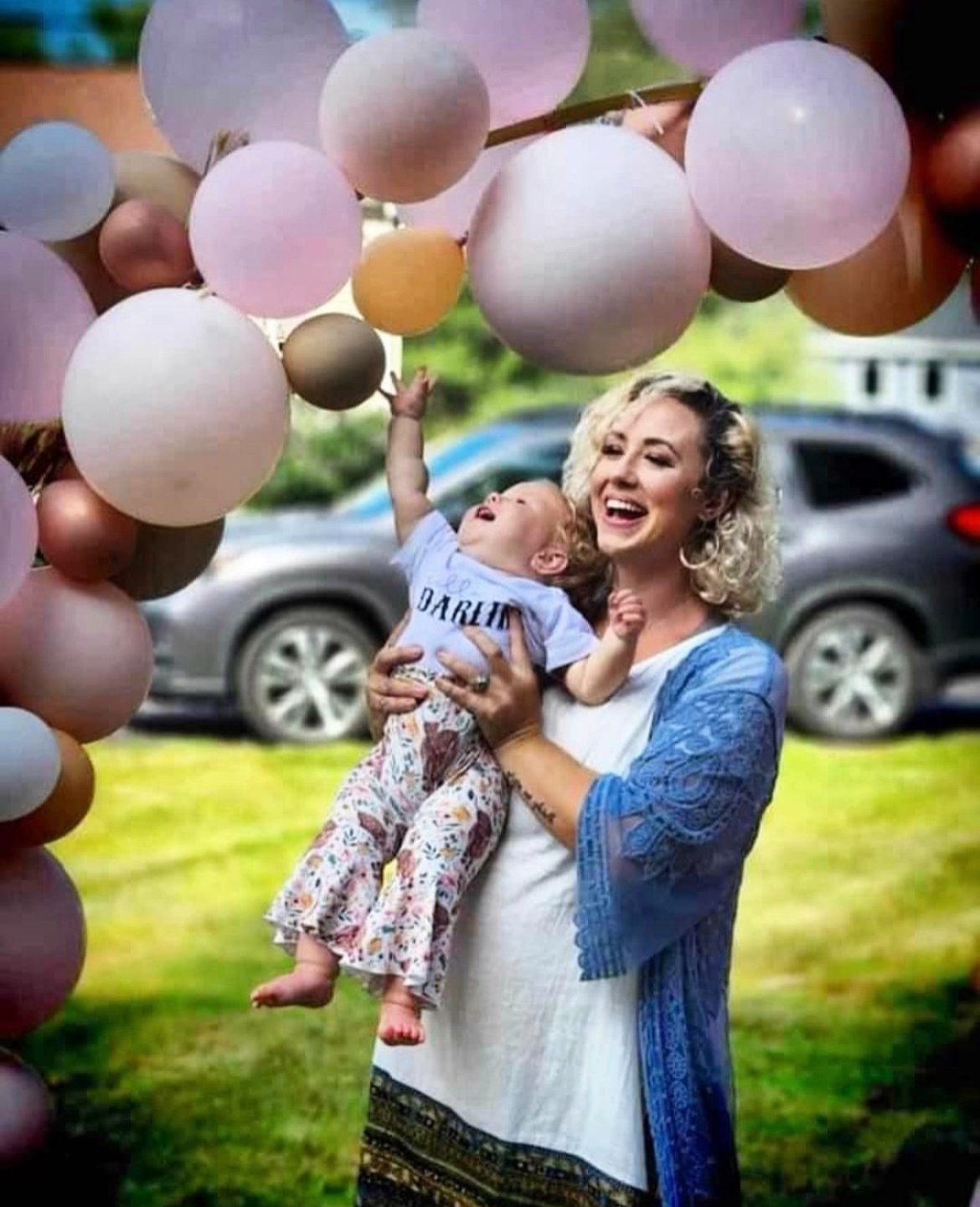
HI, I’M GENNA.
Certified Birth Doula supporting families through pregnancy, birth & the transition into motherhood.
I believe birth support should feel personal, grounded and reassuring. I provide evidence-informed education, hands-on comfort, advocacy and steady support while honoring each family’s individual goals for their birth.
Training & Credentials
DONA International Certified Birth Doula (CD)
Certified Placenta Encapsulation Specialist
PAIL Advocate
The VBAC Link Certified
Spinning Babies® Professional Training
Chestnut School of Herbal Medicine Training
SUPPORT FOR PREGNANCY, BIRTH & POSTPARTUM
Care designed to meet you wherever you are in your journey.

Birth Doula Support
Pregnancy preparation, continuous labor support, advocacy, comfort measures & evidence-informed education.
Placenta Encapsulation
Professional placenta preparation with encapsulation and thoughtfully crafted add-on options.
Postpartum & Herbal Care
Handcrafted postpartum products created to support rest, recovery and the transition into motherhood
Benefits of Placenta Encapsulation
-
The sudden drop in estrogen, progesterone, endorphins, and other hormones during women’s postpartum time, may trigger depression the same way moodiness is triggered by premenstrual changes in these hormones. it may take months for a women’s body to replenish and level out the hormones. By consuming the placenta, the mother reintroduces those important hormones back into her system in the most natural way.
-
Many women are iron deficient or even anemic after delivery, peaking at one week postpartum. This may lead to
fatigue, irritability, exhaustion, insufficient milk supply, and even postpartum depression. Therefore, increasing iron
levels should decrease fatigue and prevent, minimize, or eliminate postpartum depression. For this reason, many
women are choosing to encapsulate. The placenta is rich in iron, making consumption an excellent resource during
the mother’s postpartum time.
-
Since the placenta contains high levels of prostaglandin and oxytocin, this stimulates involution of the uterus, or
shrinking or returning to a former size, when consumed. Homebirth midwife Jennifer West states in her book, “The
Natural Healing Power of the Placenta,” that for a client of hers who had consumed her placenta, her uterus was
almost completely involuted five days post birth, which would normally feel that size around two to four weeks
postpartum. She continued to see that trend from clients of hers who consumed their placenta in some form.
-
The placenta contains inhibitors of urokinase, which can help reduce or stop bleeding. Oxytocin also helps to reduce
blood loss. A mother who is experiencing heavy bleeding immediately after delivery may benefit from consuming a
small chuck of her placenta to control the bleeding. This can be done by quickly breaking off a quarter size piece
from the maternal side, and having the mother place either under her tongue, or place between her cheek and gum
and keep there until the bleeding has subsided. A mother may choose to chew and swallow the piece, however not
all woman can tolerate the idea of it. This option may be done as a precaution, in lieu of uterine contracting drugs, or
in an emergent situation.
-
The placenta contains high levels of estrogen and progesterone. Estrogen and progesterone inhibit the stimulatory
effects of prolactin on milk production, then oxytocin triggers the milk let-down. There is some evidence that
placenta consumption may increase milk supply, however further research must be done.
-
Thyroid hormones pass through into the placenta and contribute to the baby’s development. When taken during the
postpartum phase, these hormones may assist with metabolism and energy levels. The increased iron from the
placenta also contributes to the increased energy levels.
-
Interferons produced by the placenta may offer protection against infections and stimulate the immune system.
-
Placental Opioid-Enhancing Factor (POEF) is found in amniotic fluid and the placenta. This may contribute to
enhance the effectiveness of opioids, or modify endogenous opioid activity, reducing delivery-related pain. This
potential benefit could be especially helpful for mothers who have cesarean births, episiotomies, or severe tears.
Get in touch
I’d love to hear from you.
Whether you’re looking for birth doula support, placenta encapsulation, or have questions about postpartum care, send me a message below.
Tell me a little about what you’re looking for, your estimated due date applicable), and where you’re located. ill be in touch as soon as possible.
~Genna 💕